







What is recycled wool?

With recycled wool, you can distinguish between pre-consumer and post-consumer recycled wool:
- Pre-consumer is is made from loose threads of wool that fall out of the bottom of the machine during the weaving of the wool in the weaving machines. Normally these are cleaned up and disposed of as waste. But why not reuse this wool, which is of course brand new?
- Post-consumer: e.g. wool sweaters that people no longer wear are handed in. These surrendered items are selected for color and then reduced to fiber by carding. This is then re-spun to obtain already colored recycled yarn, significantly reducing water and chemical consumption compared to the production of new yarn.
Recycled wool is more sustainable

As you can see in the image above, 99% less water is used, 76% less energy and 92% less CO2 is emitted when making an item from recycled wool versus new wool.
Clothing made from recycled wool
Wol is lekker warm en het kan tot 30 procent van zijn eigen gewicht aan vocht, waterdamp en zweet opnemen zonder dat het onbehagelijk wordt in het dragen. Het laat het opgenomen vocht ook weer makkelijk los waardoor het kan verdampen. Daardoor voelt wollen kleding niet nat en klam aan.
Daarnaast hoeft wol niet vaak gewassen te worden omdat het nauwelijks geur opneemt en vuilafstotend is. Het is vaak genoeg om een wollen trui even in de douchecabine nadat je gedoucht hebt zodat het met een beetje stoom weer helemaal fris is.
Recycled wool washing
Wool hardly retains any odour so does not need to be washed often. Often a little 'airing' is enough. If you wash wool, it is best to do so carefully:
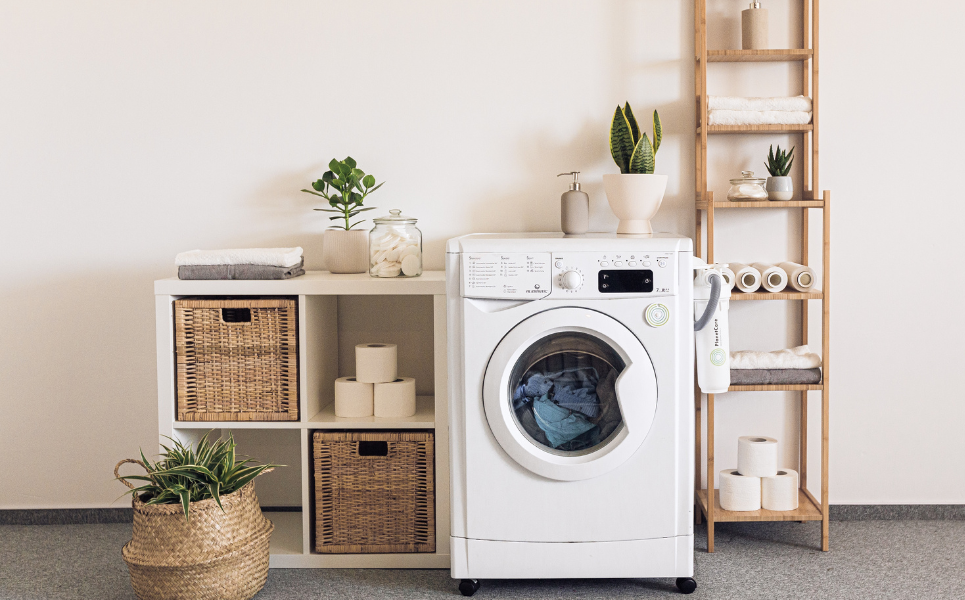
- Wash it on a special wool programme in your washing machine and spin at a maximum speed of 1,200 rpm.
- Use a special detergent for woollens or delicate fabrics.
- Let it dry horizontally! Vertical drying on a clothes rack or line stretches the material, so you want to avoid that.


